

BDSM, Dungeon, Home, Sex Swing, Shibari, Tetruss, Tetruss Maxximus, Tetruss Owners, Uncategorized
Kinetic Shibari Sculptures: Dynamic, Moving Rig Designs Inspired by Modern Art
Feb
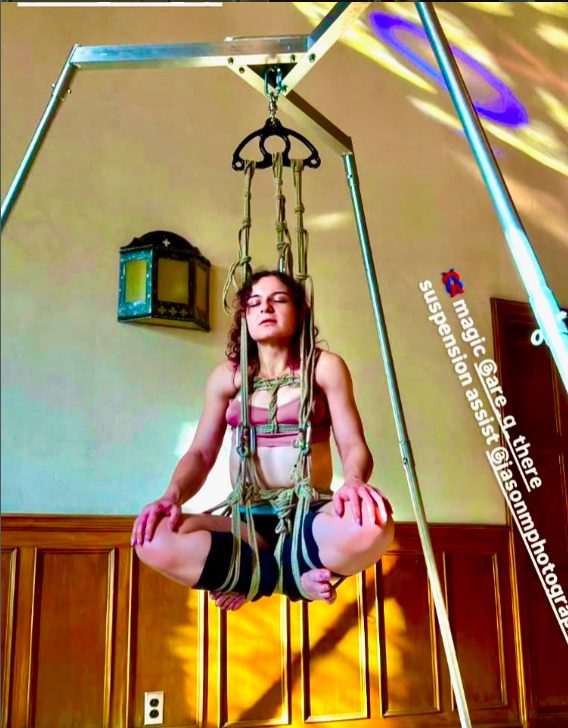
Kinetic shibari sculptures merge rope bondage with principles of kinetic art, where suspended bodies or rope configurations generate controlled motion through gravity, subtle pushes, swings, or mechanical assistance. Unlike static suspensions, these designs treat the rig and bound form as a living installation — lines shift, tensions fluctuate, and the entire structure responds to breath, micro-movements, or external forces, echoing modern kinetic artists like Alexander Calder or contemporary mechanized figures that loop human-like gestures.
Ideally in practice, kinetic shibari sculptures start with portable frames that can stand dynamic behavior. Tetruss rigs, and specifically the Tetruss Maxximus with its 42 inches of headroom, allow for 360 degree rotation. Incorporate multiple suspension lines at varying lengths — short chest harness ties paired with longer hip or ankle uplines — to create gentle pendulum effects. The bound body becomes a counterweight: a mild orbital motion around the central axis, with rope frictions absorbing and redirecting energy for sustained, hypnotic movement without constant input.
Advanced designs draw from modern art inspirations. Mimic Calder’s mobiles by balancing asymmetrical ties — offset leg suspensions against torso wraps — to produce irregular, organic movement. For human-powered kinetics, rig sequences encourage active participation: bound limbs push against ropes to initiate swings, building feedback loops where motion amplifies sensation and visual drama.
Safety considerations intensify with movement. Dynamic loads spike during swings — verify rig ratings for at least 3-5x static body weight plus momentum – Tetruss rigs have been tested for static weight, drop load test, dynamic load tests to conform to our stated live load limit of 300 pounds.
Always monitor for rope burn from sliding frictions, nerve impingement from shifting positions, and disorientation from rotation. Use padded contact points, redundant lock-offs, and quick-release mechanisms. Limit session durations and include frequent ground checks. Consent must cover motion-induced vertigo or emotional shifts from prolonged kinetic exposure.
Implementation steps: 1. Erect your stable portable Tetruss rig on level ground. 2. Apply foundational static ties (e.g., TK with integrated hip harness) – check out Tetruss accessories like stirrups and cuffs to help with this, too! 3. Add dynamic uplines with intentional slack or differential lengths. 4. Test low-amplitude motion before full engagement. 5. Incorporate spotters or video monitoring for solo attempts. These setups thrive in performance contexts:galleries, private events, or filmed art pieces – where the interplay of restraint and freedom visualizes themes of control, surrender, and fluidity.
Kinetic shibari sculptures push boundaries beyond eroticism into interdisciplinary territory, blending BDSM technique with sculptural motion studies. Practitioners gain heightened body awareness through constant adaptation to changing forces.
Construct these dynamic experiences with adaptable, high-stability equipment. Tetruss portable rigs support custom kinetic modifications. Share photos or descriptions of your moving rig experiments with the Tetruss community!
Image credits: Model_ @doll_tied_up
