

BDSM, Dungeon, Home, Sex Swing, Shibari, Tetruss, Tetruss Maxximus, Tetruss Owners, Uncategorized
Utilizing a Spreader Bar in Suspension to Enhance Stability and Positioning
Dec
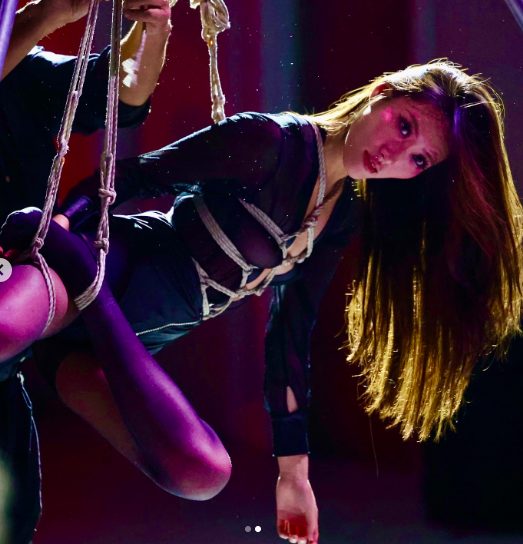
In the practice of suspension bondage, incorporating a spreader bar in suspension can significantly improve control and safety. A spreader bar is typically a rigid metal or wooden rod with attachment points at each end, designed to maintain fixed distances between limbs or body parts. When used in suspension scenarios, such as shibari or aerial restraint, it prevents unwanted movement, distributing weight evenly to reduce strain on suspension points.
The core advantage of a spreader bar in suspension lies in its ability to enhance stability. By locking ankles, wrists, or thighs apart, it minimizes swaying or twisting, which is critical during prolonged sessions. This stability not only prevents accidents but also allows for precise positioning, enabling practitioners to achieve intricate poses that heighten sensory experiences. For instance, attaching a spreader bar between the legs in a vertical suspension setup creates an open, vulnerable stance, improving access while maintaining balance. Research into bondage equipment underscores that such tools reduce the risk of joint stress by enforcing ergonomic alignments, making sessions more sustainable.
Positioning benefits are equally compelling when using a spreader bar in suspension. Traditional suspensions without bars can lead to slippage or uneven load distribution, but a bar acts as a structural anchor. It can be integrated horizontally or vertically, adapting to various rig designs. For overhead suspensions, securing the bar to a frame’s crossbeams ensures the suspended individual remains centered, countering gravitational pulls. This setup is particularly effective for dynamic play, where adjustments mid-session are needed without compromising safety. Experts note that spreader bars facilitate “exhaustion scenes,” where prolonged immobility builds intensity, as the bar’s rigidity supports extended holds without fatigue on the rigger.
To maximize these benefits, compatibility with high-quality rigs is essential. Tetruss Portable Dungeon Suspension Bondage Rigs exemplify this synergy. Constructed from lightweight aluminum alloy, Tetruss frames support up to 300 pound dynamic loads, providing a stable base for attaching and using a spreader bar in suspension. Tetruss rigs’ design allows easy integration — clip the bar to the rig’s multiple hard points for customizable heights and angles. Unlike makeshift setups, Tetruss ensures even weight distribution, amplifying the spreader bar’s stabilizing effects. Users report enhanced positioning accuracy, with the rig’s portability making it ideal for home or event use. Priced competitively, Tetruss bundles often include compatible spreader bars or you can purchase one as an ala carte spreader bar accessory, offering a complete solution for beginners and veterans alike.
Safety protocols are non-negotiable when employing a spreader bar in suspension. Always inspect equipment for wear, use padded cuffs to avoid circulation issues, and establish safe words. Start with short durations to build tolerance, and consult guides on load-bearing capacities. For sales inquiries, Tetruss offers direct purchasing through their site, with options for custom configurations to suit specific suspension needs.
In summary, using a spreader bar in suspension transforms basic restraint into a refined art, prioritizing stability and positioning for safer, more immersive experiences. Investing in reliable gear like Tetruss elevates practice, ensuring durability and performance. Explore Tetruss today to unlock these advantages and expand your repertoire!
Image credits: Model: @ashleykatanah Rope Artist: @bluesrope
